Improving Salesforce User Adoption: The Small Details That Make a Big Difference
Salesforce can be one of the most valuable systems in…

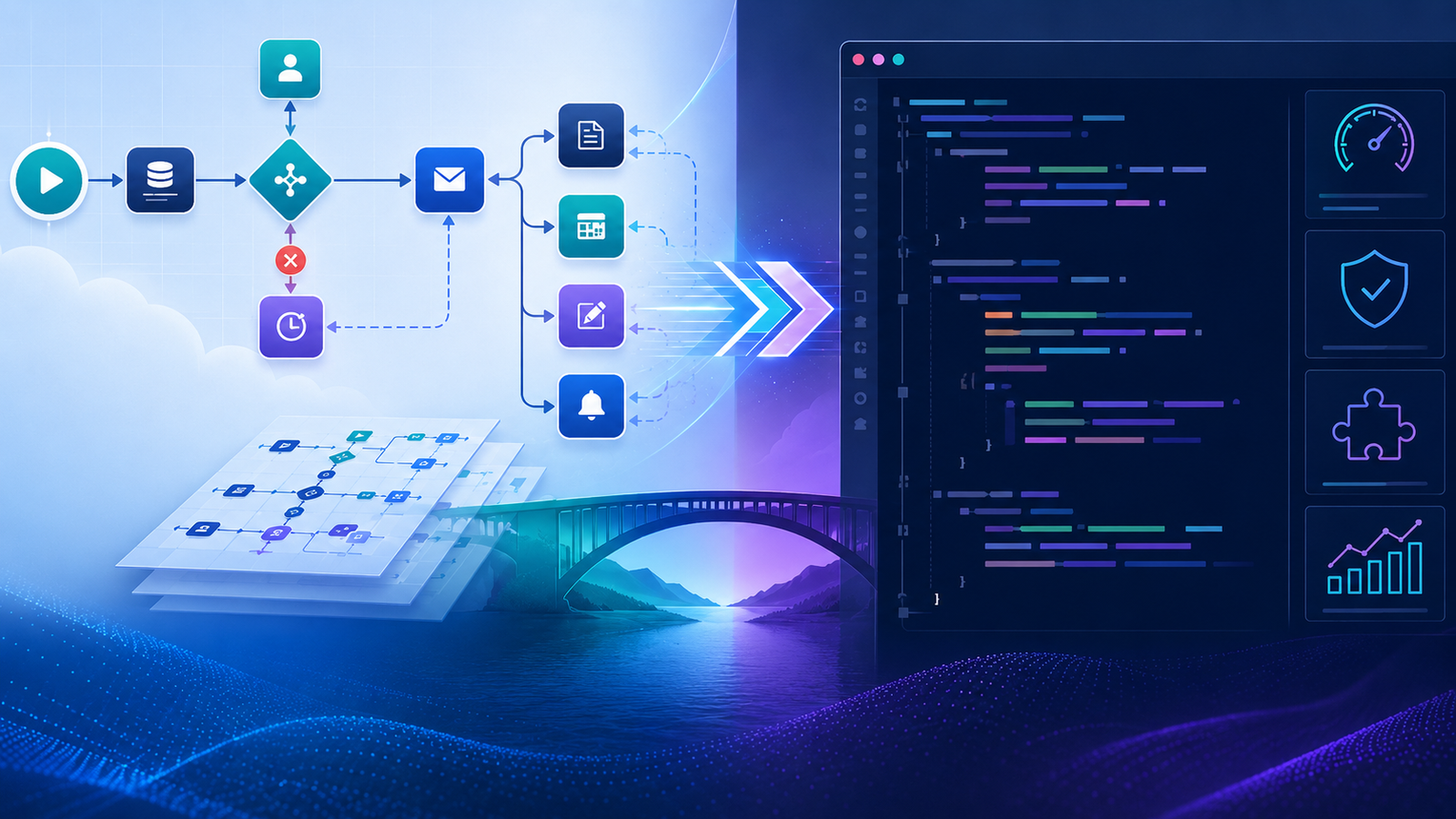
In today’s fast-paced business environment, seamless integration of Salesforce with other systems is crucial for maximising efficiency, improving customer experience, and driving growth. However, many organisations face challenges when it comes to integrating Salesforce with their existing infrastructure. In this article, we will explore some common integration issues, their causes, and practical solutions to help you overcome these hurdles.
One of the most common symptoms of integration challenges is data inconsistency between systems. For example, you may notice that customer information in Salesforce does not match the data in your marketing automation platform. This can lead to errors, duplication, and inefficiencies in your processes.
Integration challenges often stem from misaligned data structures, lack of proper mapping, or incompatible APIs between systems. Additionally, changes in one system may not be reflected in another, leading to data discrepancies and inaccuracies.
These integration issues can have a significant impact on your business operations. Inaccurate data can result in lost sales opportunities, decreased productivity, and poor customer satisfaction. It is essential to address these challenges promptly to avoid long-term consequences.
1. Conduct a thorough audit of your current integration setup to identify any discrepancies or errors.
2. Ensure that data mapping between systems is accurate and up to date.
3. Implement automated data synchronisation processes to keep information consistent across platforms.
4. Monitor integration processes regularly to detect any anomalies or issues proactively.
Before diving into troubleshooting, check the following:
– Data mapping configurations in Salesforce and other systems.
– API integrations for any errors or inconsistencies.
– Data flow between systems to identify bottlenecks or gaps.
– Ignoring data mapping configurations or assuming they are correct without validation.
– Overlooking regular monitoring and maintenance of integration processes.
– Failing to involve key stakeholders from different departments in the integration planning and implementation.
If you encounter complex integration challenges that require specialised knowledge or expertise, it may be time to seek help from a Salesforce consultancy partner like Apex Infinity Solutions. Our team of experienced consultants can provide tailored solutions to address your integration issues effectively.
Integrating Salesforce with other systems is a critical aspect of modern business operations. By identifying common integration challenges, understanding their causes, and implementing practical solutions, you can streamline your processes, improve data accuracy, and drive business growth. If you need expert guidance and support in overcoming integration hurdles, don’t hesitate to reach out to Apex Infinity Solutions for assistance.
Remember, successful integration is the key to unlocking the full potential of your Salesforce platform.