Improving Salesforce User Adoption: The Small Details That Make a Big Difference
Salesforce can be one of the most valuable systems in…

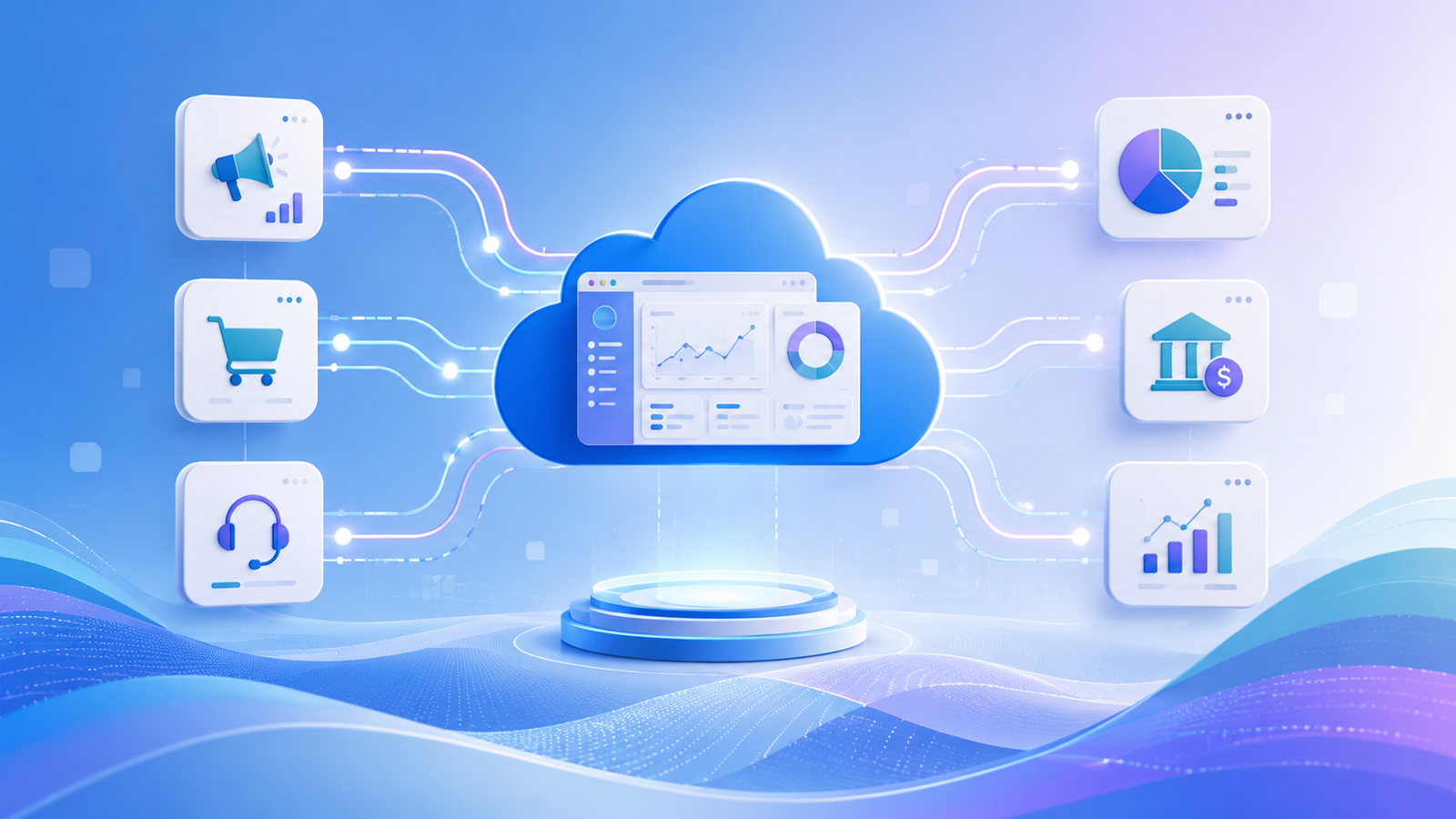
Integrating Salesforce with other systems is a critical aspect of maximising the value of your CRM platform. However, this process can be complex and challenging, leading to various issues that can impact the efficiency and effectiveness of your Salesforce implementation. In this article, we will explore some common Salesforce integration challenges that businesses face and provide practical solutions to overcome them.
1. Data inconsistency: One of the most common issues in Salesforce integrations is data inconsistency between systems. This can result in inaccurate reporting, duplicate records, and confusion among users.
2. Slow performance: Slow performance in Salesforce integrations can be frustrating for users and hinder productivity. This can be caused by inefficient data transfer processes, poor API configurations, or network issues.
3. Integration errors: Integration errors can occur due to misconfigured connectors, incompatible data formats, or API changes. These errors can disrupt business processes and lead to data loss.
1. Inadequate planning: Insufficient planning and analysis before starting an integration project can lead to unforeseen challenges and delays.
2. Lack of technical expertise: Integrating Salesforce with other systems requires a deep understanding of both platforms and their capabilities. Without the necessary technical expertise, errors and complications are more likely to occur.
3. Poor data quality: Data quality issues, such as duplicate records, incomplete data, or outdated information, can complicate integrations and lead to inconsistencies between systems.
The impact of integration challenges goes beyond technical issues and can significantly affect business operations. Data inconsistency can lead to poor decision-making, slow performance can hinder productivity, and integration errors can disrupt critical processes. Ultimately, these challenges can result in decreased efficiency, reduced customer satisfaction, and lost revenue opportunities.
1. Conduct a thorough analysis: Before starting an integration project, thoroughly analyse the data requirements, system capabilities, and business processes involved. This will help identify potential challenges and ensure a smooth integration process.
2. Invest in training: Ensure that your team has the necessary skills and expertise to handle Salesforce integrations effectively. Training programs and certifications can help improve their knowledge and capabilities.
3. Implement data quality measures: Address data quality issues within Salesforce and other systems to prevent inconsistencies and errors during integration. Regular data cleansing and validation can help maintain data integrity.
1. Review data mapping: Check the data mapping between Salesforce and the integrated system to ensure that fields are correctly aligned and data is synced accurately.
2. Test API connections: Test the API connections between Salesforce and the integrated system to verify that data is being transferred correctly and in a timely manner.
3. Monitor performance: Monitor the performance of the integration process to identify any bottlenecks or issues that may be impacting system efficiency.
1. Neglecting data validation: Failing to validate data before integration can result in errors and inconsistencies that are difficult to rectify later on.
2. Overlooking security measures: Data security is crucial in Salesforce integrations, so make sure to implement proper security measures to protect sensitive information.
3. Ignoring user feedback: User feedback is invaluable in identifying integration issues and improving system usability, so be sure to listen to your users’ experiences and concerns.
If you are facing persistent integration challenges, experiencing data inconsistencies, or encountering frequent errors, it may be time to seek expert help. A Salesforce consultancy partner like Apex Infinity Solutions can provide the expertise and support needed to overcome complex integration issues and optimise your Salesforce implementation.
Integrating Salesforce with other systems is a critical process that requires careful planning, technical expertise, and ongoing maintenance. By understanding common integration challenges, addressing their root causes, and implementing best practices, businesses can ensure a smooth and efficient integration process. Contact Apex Infinity Solutions for expert advice and support in overcoming Salesforce integration challenges and maximising the value of your CRM platform.